
Rural Internet in Texas: Big State, Big Problem, and What's Actually Changing
Texas ranks among the worst states for rural broadband. Here is what is actually available right now, region by region, and how cellular internet is closing the gap.
May 25, 2026 · Backroads WiFi · 4 min read
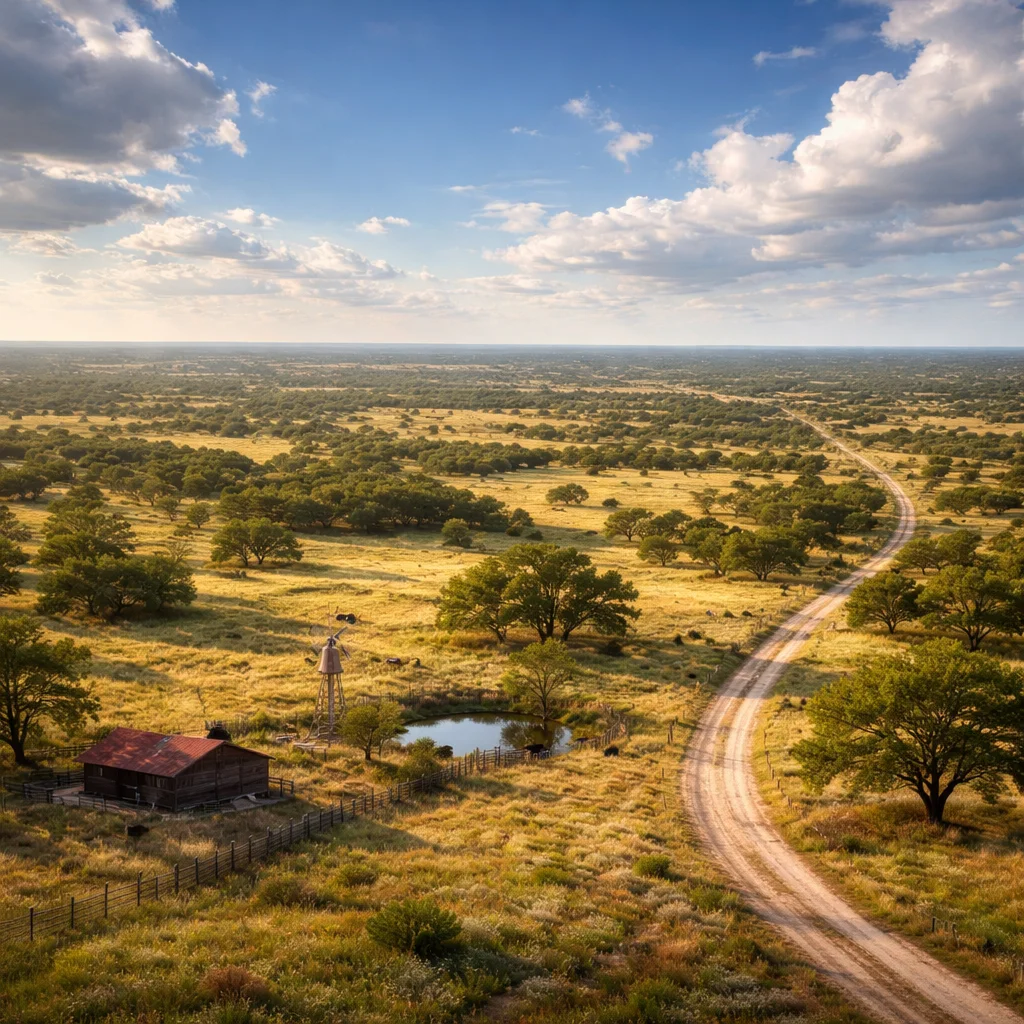
Texas is big in every way that matters. The land. The sky. The distances between things. Drive two hours in any direction from a major city and you'll find yourself somewhere that feels genuinely remote: ranch country, hill country, farmland stretching to the horizon, cedar breaks and caliche roads and cattle guards that outnumber traffic lights by a wide margin.
The people who live and work in those places are tough and self-sufficient by nature. They figured out a long time ago that if something needs doing, they're probably doing it themselves. But there's one thing that self-sufficiency alone can't solve, and that's the complete absence of broadband internet infrastructure in large portions of this state.
Texas ranks among the worst in the country for rural broadband access. That's not an opinion. It's in the data. Hundreds of thousands of rural Texans either have no internet service at all or are limping along on options so slow they barely qualify for the definition.
Why This Matters More Than Ever
Ten years ago, a slow or absent internet connection was an inconvenience. Today it's a genuine economic disadvantage. Ranch management software. Precision agriculture platforms. Remote monitoring for livestock and equipment. Market price tracking. Virtual veterinary consultations. These aren't luxuries. They're the tools that separate profitable operations from ones that are falling behind.
And that's before you account for the families living on those same properties. Kids trying to do schoolwork. Adults trying to work remotely. Elderly parents who need telehealth appointments instead of a two-hour round trip to the nearest clinic.
The argument that rural residents chose this lifestyle and should accept limited connectivity has run its course. The land was there before the internet. The people were there before the internet. The infrastructure just never showed up.
What's Available Right Now
The options for rural Texas internet have expanded significantly, and not all of them require waiting on a government grant or a fiber construction project that may or may not happen.
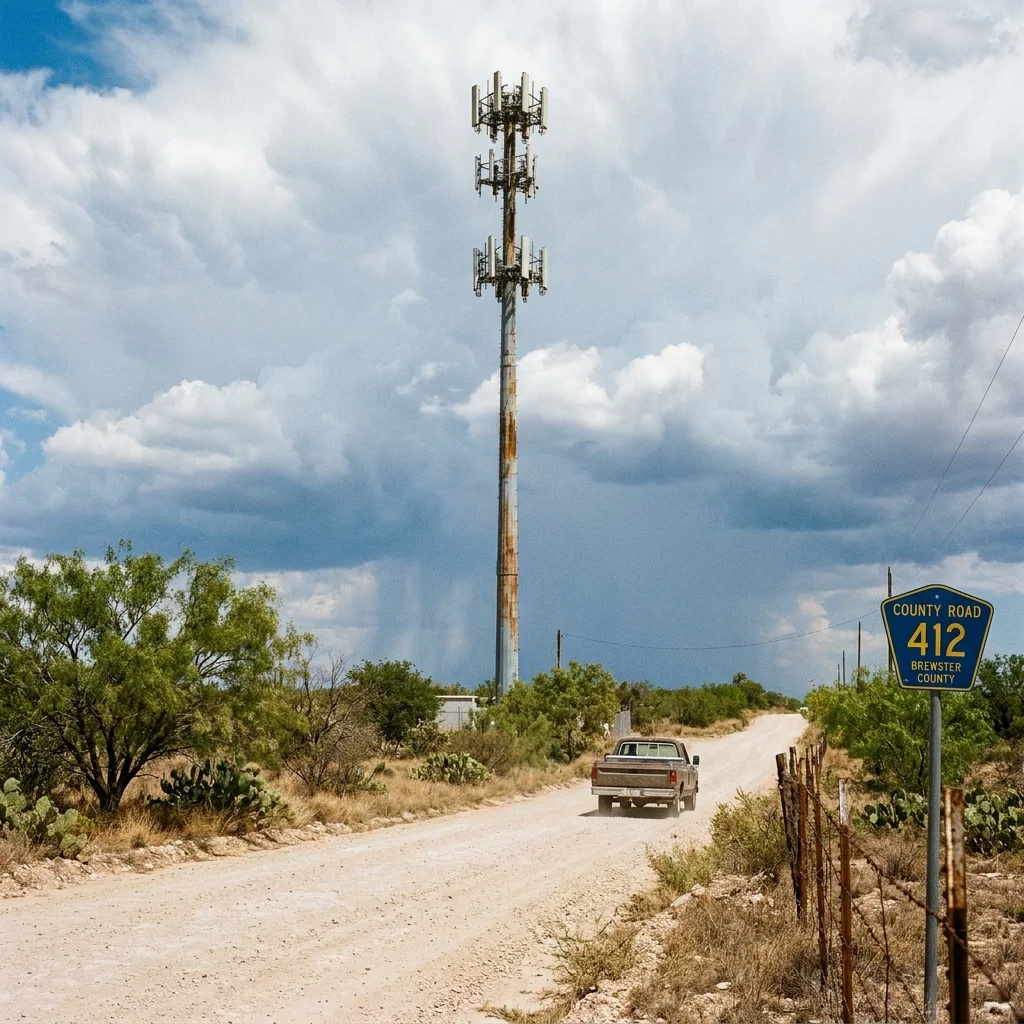
Fixed wireless and cellular-based internet have become genuinely viable alternatives for a large portion of rural Texas. The cell tower coverage in this state is more extensive than most people realize, driven by the sheer size of the population and the economic activity spread across it. If you've got a reliable cell signal, even in a relatively remote location, that infrastructure can power real home internet service.
This matters because it means the answer isn't always on the horizon. For a lot of rural Texans, the answer is already up on that tower at the end of the county road. It just requires the right equipment and the right plan to access it.
The West Texas Question
West Texas is its own conversation. Parts of the Trans-Pecos region, the Big Bend country, and the vast stretches of the Permian Basin edges present real challenges because cell coverage thins out considerably the further you get from the highway corridors.

For those areas, the honest answer involves checking coverage specifically, not assuming it's there and not assuming it isn't. Cell coverage maps have improved dramatically in recent years, and spots that had no service five years ago may have options today. The same goes for working properties along the Rio Grande, the Edwards Plateau, and the Rolling Plains.
East Texas Camps and Piney Woods Properties
East Texas tells a different story. The Piney Woods, the Big Thicket, the Sam Rayburn and Toledo Bend country. This region has dense tree cover, winding county roads, and a culture built around fishing camps and hunting properties that in many cases have been in families for generations.
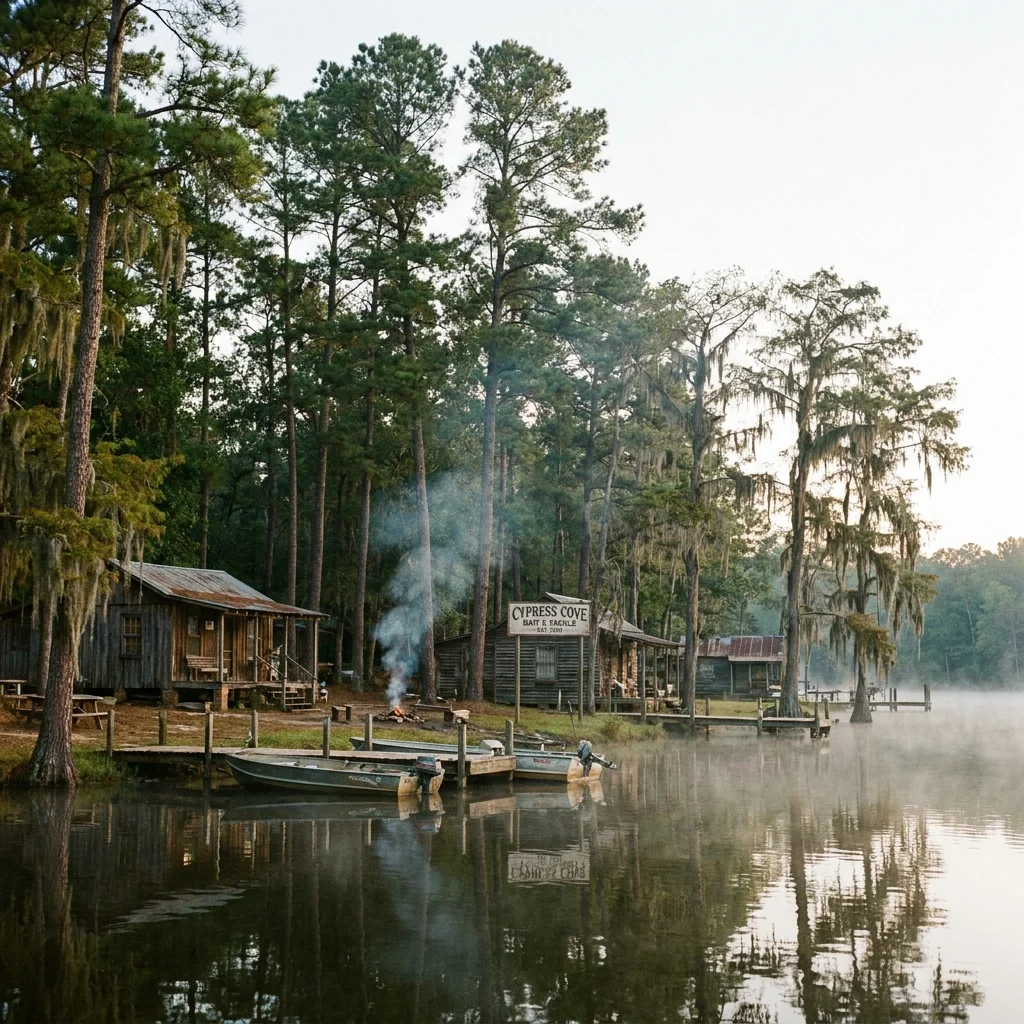
The cell coverage in this part of Texas is generally strong enough to support cellular internet for most properties. If your phone works reliably at the camp or the lake house, there's a very good chance you can have real internet service there without a satellite dish or a landline.
What to Look For
When you're evaluating rural internet options in Texas, a few things matter more than the advertising suggests. Data caps are a real issue: plans that look affordable often throttle severely after a few hundred gigabytes, which is gone fast in a household with streaming and remote work. Contracts are another trap: a two-year commitment to a service that turns out to be unreliable is a painful lesson.
Look for providers that are upfront about the network they run on, transparent about data policies, and don't require a credit check or a long-term commitment. Services like Backroads WiFi operate on major national networks with no contracts and no hidden fees, the kind of straightforward arrangement that rural customers have been asking for.
Texas is too big and too important to leave its rural communities digitally stranded. The good news is that the solutions are catching up. Check what's available at your location and don't assume the old options are the only options anymore.