
The Internet That Rolls With You: Real Connection for RV and Road Life
Campground WiFi and phone hotspots can't keep up with modern RV life. Cellular internet that travels with you works wherever your phone does, across all fifty states.
July 21, 2026 · Robert Lemoine · 9 min read
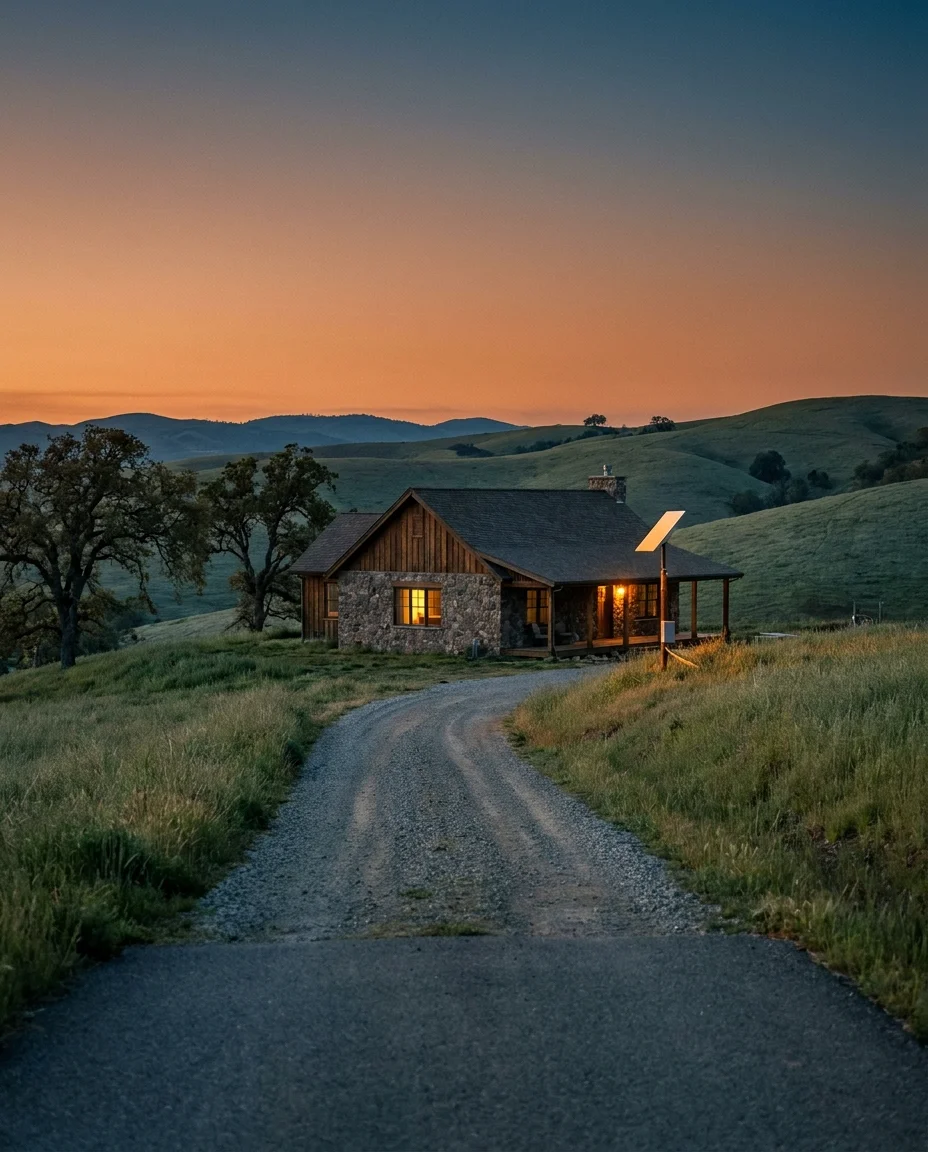
There's a certain kind of freedom you only understand once you've watched the sun come up over a lake you'd never heard of, from the door of your own camper, with a cup of coffee in your hand and nowhere you have to be. RV life — whether it's full-time on the road or two glorious weeks in July — is one of the last great American adventures. Right up until somebody needs the internet.
Then the freedom hits a wall. The campground WiFi is a cruel joke that dies the second a third person logs on. Your phone hotspot works fine until you actually need it, then it crawls. And the whole rolling-freedom fantasy grinds to a halt because you can't upload the work file, join the video call, or let the kids watch a movie on a rained-out afternoon.
It doesn't have to be that way, and with the roads full of travelers this month, it's worth talking about.
July is peak "where's the WiFi" season
Right now the highways are thick with RVs. Families are hauling to the lake, retirees are chasing cool weather up north, and full-timers are working their way between the good spots before the fall rush. National parks are packed. State parks and Corps of Engineers campgrounds are full of pop-ups and fifth wheels and vans with the beds built in the back.
And every single one of those travelers is discovering the same hard truth: the more beautiful and remote the spot, the worse the connection. The places worth driving to are exactly the places the internet forgot. That gorgeous campsite backed up against the national forest? No cable out there. That lakeside pull-through with the sunset view? The park WiFi barely reaches the office, let alone your rig three loops away.
So people end up doing their video calls in the campground bathhouse because it's closest to the router, or driving into the nearest town to sit in a parking lot and upload their work. On a trip that was supposed to be about freedom, that's a sad way to spend an afternoon.
The internet that travels with you
Here's the thing that changes the whole game: your internet can move with you, riding on the same cellular network your phone already uses.
Instead of depending on whatever sad WiFi each campground offers, you carry your own connection. It's cellular internet built to travel — plug it into your rig, and wherever the wireless network reaches, you've got your own network. Your devices connect to your equipment, not to a crowded campground signal shared with forty other rigs.
The beauty of it for RVers is the same test we tell everybody: if your phone works where you're parked, your internet works there too. Pull into a new spot, check your bars, and you already know. And because certain plans are built to travel with you across all fifty states, you're not stuck to one region — you can be in the Louisiana pines one week and the Rockies the next and take your connection right along.
That's exactly why Backroads WiFi built plans for RV and mobile life alongside the home service. Some of our plans are made specifically to roll with you across the country. No contract locking you down, no credit check to get started, you own the equipment, and — this is the part RVers love — you can pause your service when the rig's parked for a stretch, without a penalty. Store it for the winter, pause it. Hit the road again in spring, turn it back on.
What good road internet actually unlocks
Once your connection keeps up, the whole trip opens back up.
The remote workers among us — and there are more every year — can actually work from the road for real. Take the video call from a picnic table with a mountain behind you. Upload the big file without praying. Be a digital nomad in fact, not just in the Instagram bio.
The families get their rainy-day movies and the kids' games and the "are we there yet" navigation that actually loads. The retirees get to video-call the grandkids from the road, keep up with church back home, and manage the bills and the bank without hunting for a signal. Everybody gets real-time weather radar, which out in the mountains or on the plains isn't a luxury — it's how you decide whether to move the rig before a storm.
And you get the small daily things that make travel smooth: reviews for the next campground, directions that don't strand you, the reservation you need to grab before the good spot fills up. Little stuff, until you can't do it.
Boondocking and picking your spot
One of the best things about carrying your own connection is how much freedom it gives you in where you park. When you're depending on campground WiFi, you're stuck choosing the developed parks with the amenities — and paying for them — just to stay online. Once your internet rides with you on the cellular network, that leash comes off. You can boondock on public land, tuck into a quiet Corps of Engineers site, or grab that gorgeous primitive spot with no hookups and still keep your connection, as long as the wireless network reaches it.
That opens up a whole different, freer way to travel. The spots that are cheaper or free, quieter, and prettier are usually the undeveloped ones without WiFi — and those are exactly the ones a traveling connection unlocks. The practical trick is simple: before you commit to settling in somewhere for a stretch, check your bars right where you'd park the rig. Just like at home, the test is whether your phone works there. If it does, you're set. If it doesn't, you scout a little further down the road. A lot of seasoned travelers even keep a mental note of which networks run strong in which regions, which is why some full-timers keep more than one option and pick the one that's strongest wherever they land.
It changes the whole rhythm of a trip. Instead of chasing the parks with the best WiFi, you chase the views — and bring your connection along for the ride.
A word for the full-timers
If you've gone all in — sold the house, bought the rig, and made the road your home — then your internet isn't a vacation nicety. It's your office, your kids' schoolhouse, your bank, your doctor's waiting room, and your connection to everyone you love, all at once. It has to work, and it has to work in the remote, gorgeous, off-grid places that are the whole reason you chose this life.
That's a lot to ask of campground WiFi. It's a reasonable thing to ask of a connection that rides the cellular network and goes where your phone goes. If you can call home from the campsite, you can very likely run your whole life from it.
Common questions from the road
Can I really get reliable internet in a campground with bad WiFi? Yes — by carrying your own connection instead of relying on the campground's. If your phone gets a usable signal where you're parked, cellular internet built for travel usually works there too.
Does it work all over the country or just one region? Certain plans are built to travel with you across all fifty states, so you can move between regions and keep your connection.
Can I pause it when the RV is in storage? Yes. You can pause service when you're not traveling, without a penalty, and turn it back on when you hit the road again.
Is it good enough to work remotely from the road? It's built for streaming, video calls, and working from home, so as long as you've got a workable cell signal at your spot, remote work from the road is very doable.
Freedom, with a signal
The whole promise of RV life is that home comes with you. The bed, the kitchen, the recliner, the coffee pot — it all rolls down the road. For a long time, the one thing that couldn't come along was a real internet connection, and that quietly clipped the wings of everybody who wanted to work, learn, or just stay in touch while they wandered.
That's the piece that's finally caught up. If your phone works where you're parked, your internet can too — and the open road gets a whole lot more open.
"For here have we no continuing city, but we seek one to come." — Hebrews 13:14. Some of us take that one pretty literally.
Backroads WiFi is an independent service provider. AT&T®, Verizon®, and T‑Mobile® are registered trademarks of their respective owners; Backroads WiFi is not affiliated with, endorsed by, or sponsored by them. Network names are used only to describe the underlying wireless network used to provide service.
#RVLife #RVLiving #FullTimeRV #VanLife #DigitalNomad #RVInternet #MobileInternet #RoadTrip #BackroadsWiFi #Campground #WorkFromAnywhere #RVTravel #SeeAmerica