
Fair Season, Festival Season, Market Season: The Best Weeks of a Country Summer
Late July is peak festival, county fair, and farmers market season across rural America, and all of it now runs on a working connection out where the pavement ends.
July 23, 2026 · Robert Lemoine · 9 min read
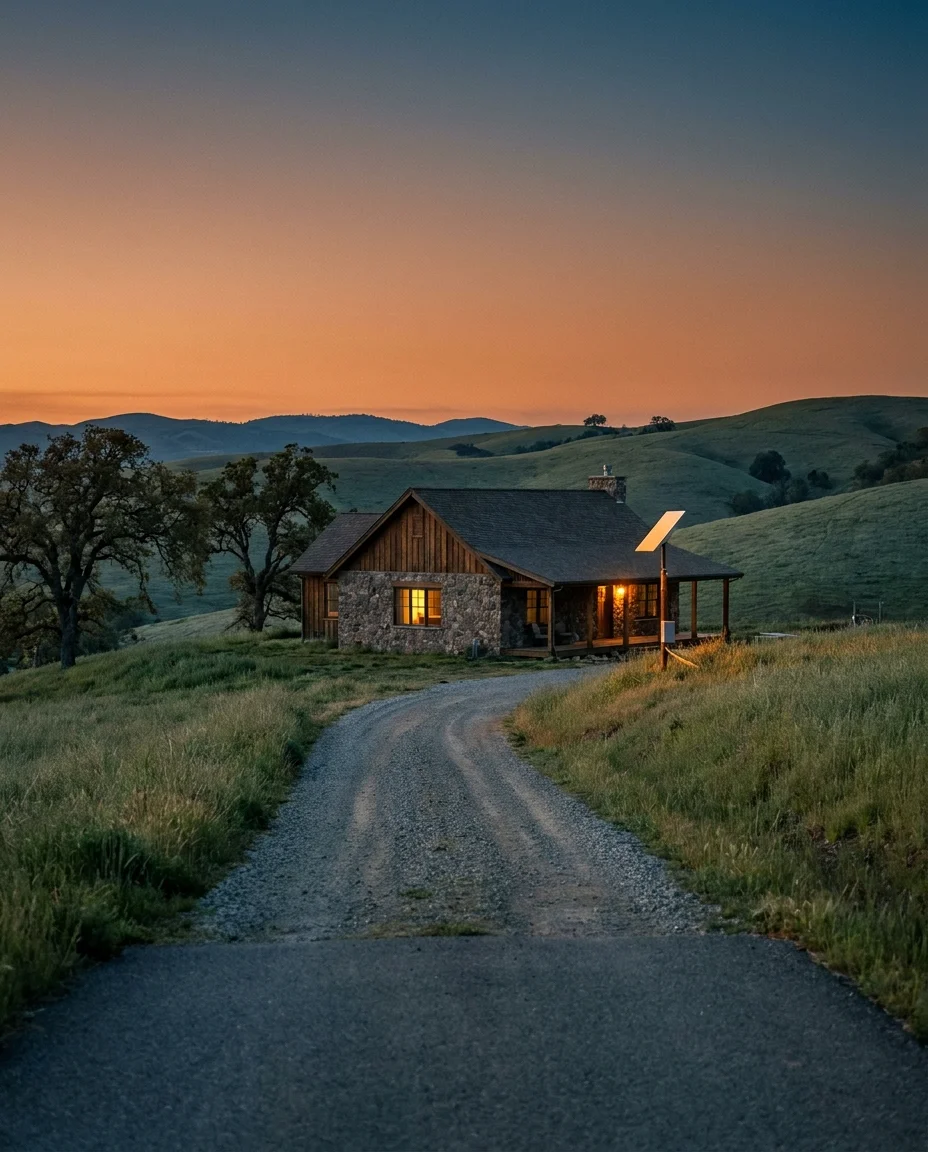
There's a rhythm to a country summer, and right now we're in the sweetest part of it. Late July is festival and fair season all across rural America. Somewhere within an hour of wherever you're sitting, there's a courthouse square filling up with tents, a county fairground firing up the carnival lights, or a Saturday market where the tables are groaning under tomatoes and squash and the first of the good watermelons. This is the season small towns wait all year for.
Let me talk about that for a minute — the festivals, the fairs, the markets — and about the quiet thread of connection running through all of it.
Fair season is in full swing
Right now the calendar's packed. Down our way, the Louisiana Watermelon Festival takes over downtown Farmerville the last weekend of the month, sixty-three years running, with the parade and the street dance and melons the size of feed sacks. Way out in Wyoming, Cheyenne Frontier Days — the Daddy of 'em All — is roaring through its ten days of the world's biggest outdoor rodeo. And in between, in a thousand small towns you've never heard of, it's county fair season: 4-H kids showing hogs and heifers they raised by hand, blue ribbons for the best pie and the biggest tomato, demolition derbies and tractor pulls and a Ferris wheel throwing colored light across a summer night.
These aren't just entertainment. A small-town fair or festival is the closest thing rural America has to a family reunion for the whole county. It's where you run into people you haven't seen since last year, where the kids show off what they grew and raised, where the community remembers that it's a community. In a lot of places, the summer festival is the beating heart of the whole town's year.
The Saturday market, too
And then there are the farmers markets, which in late July are at their absolute peak. This is when the summer garden is throwing off more than any one family can eat, so the surplus lands on a folding table under a pop-up tent on Saturday morning. Tomatoes still warm from the vine. Purple hull peas by the bushel. Squash and cucumbers and okra. Watermelons and cantaloupes. Homemade jam, local honey, eggs from somebody's backyard flock, a lady selling the prettiest zinnias you ever saw.
The farmers market is rural entrepreneurship at its most honest. It's a grandmother making a little money off her tomatoes. It's a young couple trying to turn a big garden into a small business. It's the whole local food economy, run out of truck beds and coolers, one Saturday morning at a time.
The quiet thread: it all runs on a signal now
Here's what ties the festival, the fair, and the market together beyond the season — and it's the part that snuck up on everybody. All of it leans on a working connection now.
The festival committee promotes the whole thing on Facebook, because that's where the county actually finds out what's happening and when. The vendor at the craft booth runs a card reader off her phone, because half of folks don't carry cash anymore. The farmers market lady posts "we've got sweet corn this week" to her little page Friday night and sells out by nine Saturday morning. The 4-H family looks up the show schedule online. Everybody's taking pictures and posting them, tagging the town, spreading the word for free.
None of that works without a signal — and here's the rub. The vendors, the growers, the festival organizers, the 4-H families — a whole lot of them live and work out in the country, exactly where the signal has always been thinnest. The very people who make the season happen are often the ones fighting the worst connection to promote it, sell at it, and share it.
Where we come in — quietly
That's the gap we care about over at Backroads WiFi, and I'll keep it brief because this post is about the festivals, not about us. We got into rural internet because we live this life too, out where the pavement ends, and we know the frustration of trying to run a business or share your world on a connection that quits on you.
The simple truth we build on is this: if your phone works at your place, our internet works there too. For the market grower who wants to post the week's harvest and take cards at the table. For the crafter running a little online shop between festival weekends. For the family that just wants to share the fair photos with the cousins who moved off. Real internet, out where you actually live and work — no dish, no contract, no credit check. That's it. Now back to the good stuff.
What these gatherings really do for a small town
It's worth understanding just how much a festival or fair carries for a rural community, because it's easy to see it as just a good time and miss the weight of it. For a lot of small towns, the summer festival is the single biggest economic event of the year. The vendors make real money. The gas stations and diners and the one motel in town fill up. The crafters and growers who work the festival circuit stitch a season's income together one weekend at a time, driving from town to town across whole regions. When the crowds show up, the whole local economy takes a breath it's been holding all year.
And it's more than money. These gatherings are how a scattered rural community actually becomes a community. When you live spread out down long gravel roads, you can go weeks without laying eyes on half the people in your parish or county. The festival is where you all land in the same place at the same time — where the kid who moved off comes home for the weekend, where old friends catch up, where the newcomers finally meet the neighbors. It's the town's heartbeat made visible for a couple of days.
That's why it matters so much that these traditions survive, and why it matters that the folks who make them happen can promote them, sell at them, and share them with the wider world. A festival nobody hears about draws a smaller crowd. A vendor who can't take a card loses a sale. A grower who can't post "we've got sweet corn" misses her Saturday customers. The connection has quietly become part of what keeps these good old traditions alive — which is a strange thing to say about a courthouse-square festival, but it's true.
Get out there this week
If you take one thing from this post, let it be this: go. This season is short and it is precious. Find the festival, the fair, the market near you this week and go be part of it.
Buy the watermelon. Watch the parade. Let the kids ride the Ferris wheel and eat the funnel cake. Talk to the lady selling tomatoes and actually ask how her garden did. Cheer for the 4-H kids. Put a few dollars into the local economy and a few memories into your summer. Take pictures, and yes, post them — tag the town, tell the world, help the little places thrive.
Because these gatherings are how rural America remembers who it is. And they only keep happening as long as folks keep showing up.
Common questions
Why do small-town festivals matter so much? They're the social and economic heart of rural communities — part family reunion, part local marketplace, part tradition. They bring the whole county together and put money into local hands.
How do vendors take payments at festivals and markets? Most run card readers off a phone now, which is why a working signal at the booth matters. If a phone works at the location, that same signal can usually support a reliable connection.
When is peak farmers market season? Late July is a high point across much of the country, when summer gardens are producing more than families can eat and the surplus hits the market tables.
See you on the square
Whatever corner of the country you're in, there's a good chance your town has something going this week or next. Go be a part of it. That's what summer out here is for.
"And thou shalt rejoice in every good thing which the LORD thy God hath given unto thee." — Deuteronomy 26:11. A summer festival is a good place to start.
Backroads WiFi is an independent service provider. AT&T®, Verizon®, and T‑Mobile® are registered trademarks of their respective owners; Backroads WiFi is not affiliated with, endorsed by, or sponsored by them. Network names are used only to describe the underlying wireless network used to provide service.
#SummerFestivals #CountyFair #FarmersMarket #SmallTownUSA #RuralAmerica #ShopLocal #FairSeason #BackroadsWiFi #RuralInternet #CommunityFirst #SupportLocal #4H #CountryLiving