
The Honest Truth About Internet on the Road: What RV Life Doesn't Warn You About
RV channels show the sunsets, not the dead campground WiFi. Here is what actually keeps you connected on the road, and why the right mobile internet setup makes the lifestyle work.
May 24, 2026 · Backroads WiFi · 2 min read
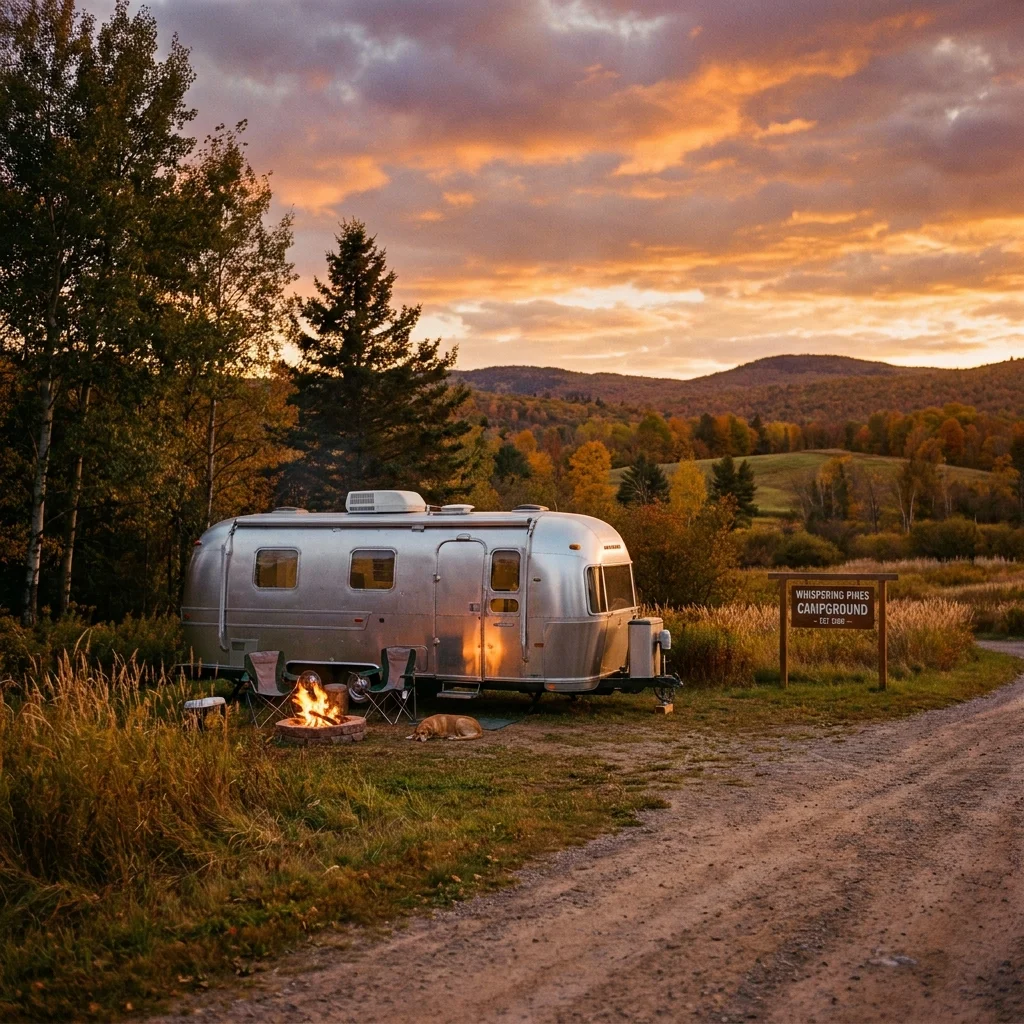
There are about ten thousand YouTube channels that will show you the beautiful side of RV life. The National Parks. The open highways. The sunsets over the desert. The freedom of waking up somewhere new every few days.
What those same channels spend a lot less time discussing is what happens when you need to actually get some work done at a campground in rural Arkansas and the campground WiFi is held together with good intentions and a router from 2014.
If you're full-timing, or even part-timing seriously, internet isn't optional. It's the thing that makes the lifestyle work. It's your job if you work remotely. It's your navigation. Your weather radar. Your contact with family back home. Your ability to book the next site before you roll out in the morning.
Campground WiFi Was Never the Answer
Anybody who has spent real time on the road figured this out quickly. Campground WiFi is shared among every rig in the park, completely unsecured, and consistently slower than you'd like during anything that actually matters. It's a starting point, not a solution.
Phone hotspots are better, but they're not built for sustained use. Throttling kicks in faster than most plans admit, and if you're pulling data for work calls, streaming, and navigation simultaneously, you'll burn through your allotment by Wednesday.
What Actually Works
Dedicated mobile internet devices running on the major cell networks are the real answer for most RVers. The setup is simple: a router that connects to whichever network has the best coverage in your current location, broadcasting a strong, stable signal inside your rig.
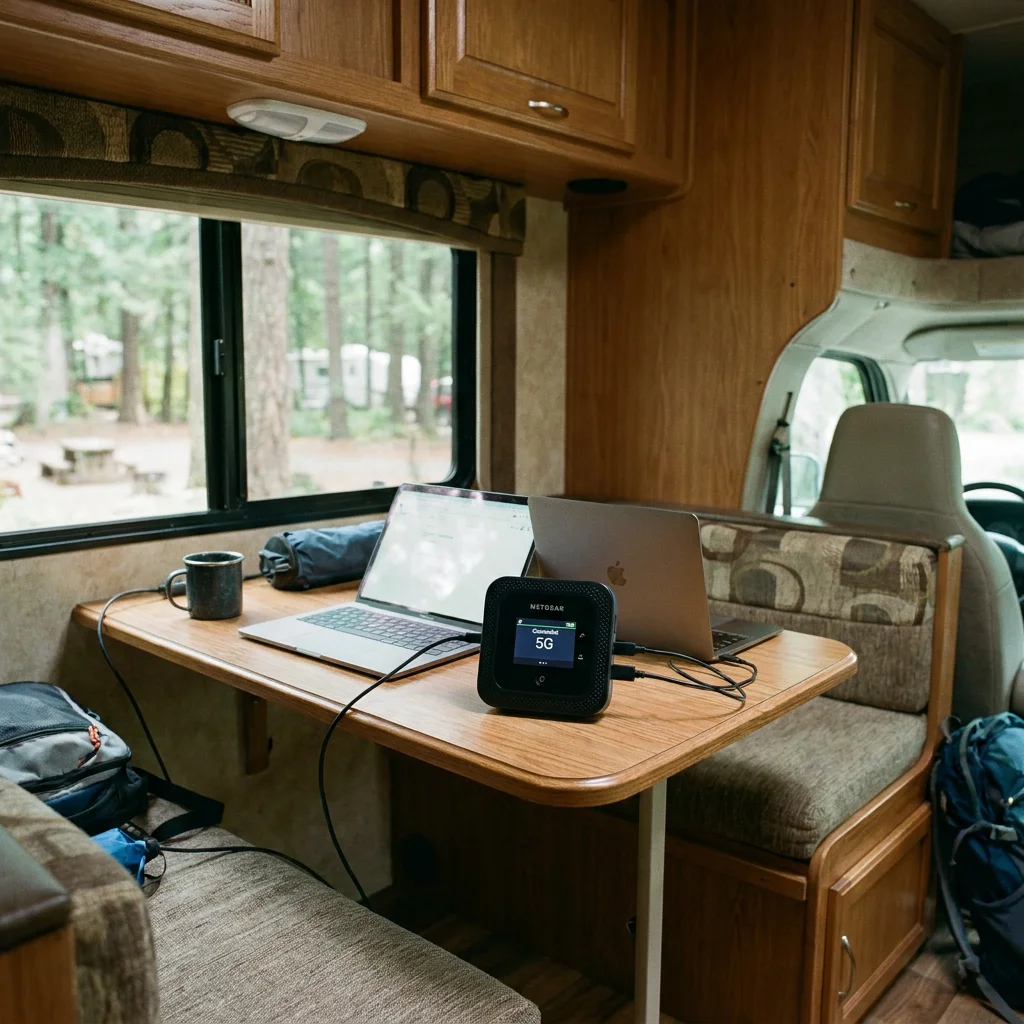
The key is choosing a provider that gives you real data, not a throttled trickle after the first few gigabytes, and doesn't lock you into a contract when your whole lifestyle is built around flexibility.
Services built specifically for mobile and rural use, like Backroads WiFi, run on the major national networks and are designed for exactly this use case. The equipment goes with you. When you unhook and roll to the next spot, the internet comes along.
From Louisiana to Connecticut and Back
Here's something worth knowing. The coverage on these networks is better than most people expect. Connections have been verified from North Louisiana all the way up through Tennessee, Arkansas, and into the Northeast. The farther you get from the interstates, the more it comes down to which network is strongest in that area, which is exactly why having options and checking coverage before your trip matters.
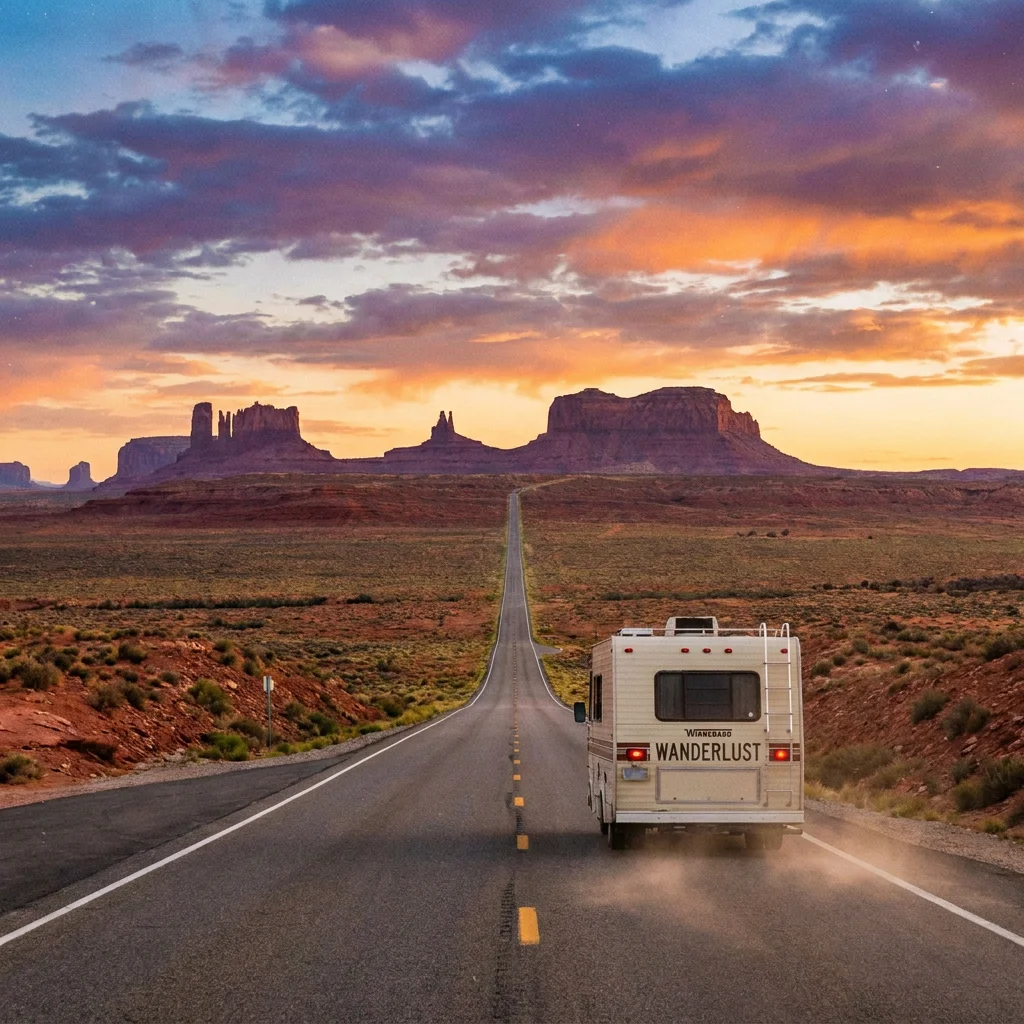
The RV life is worth figuring out the internet situation. Once you do, the open road gets a whole lot more open.
May God bless you on every mile of it.