
July Isn't the End of Garden Season, It's the Start of Round Two
What to harvest and what to plant right now on a Southern homestead, from okra and southern peas to fall greens, plus why country gardening runs on a working connection.
July 18, 2026 · Robert Lemoine · 9 min read
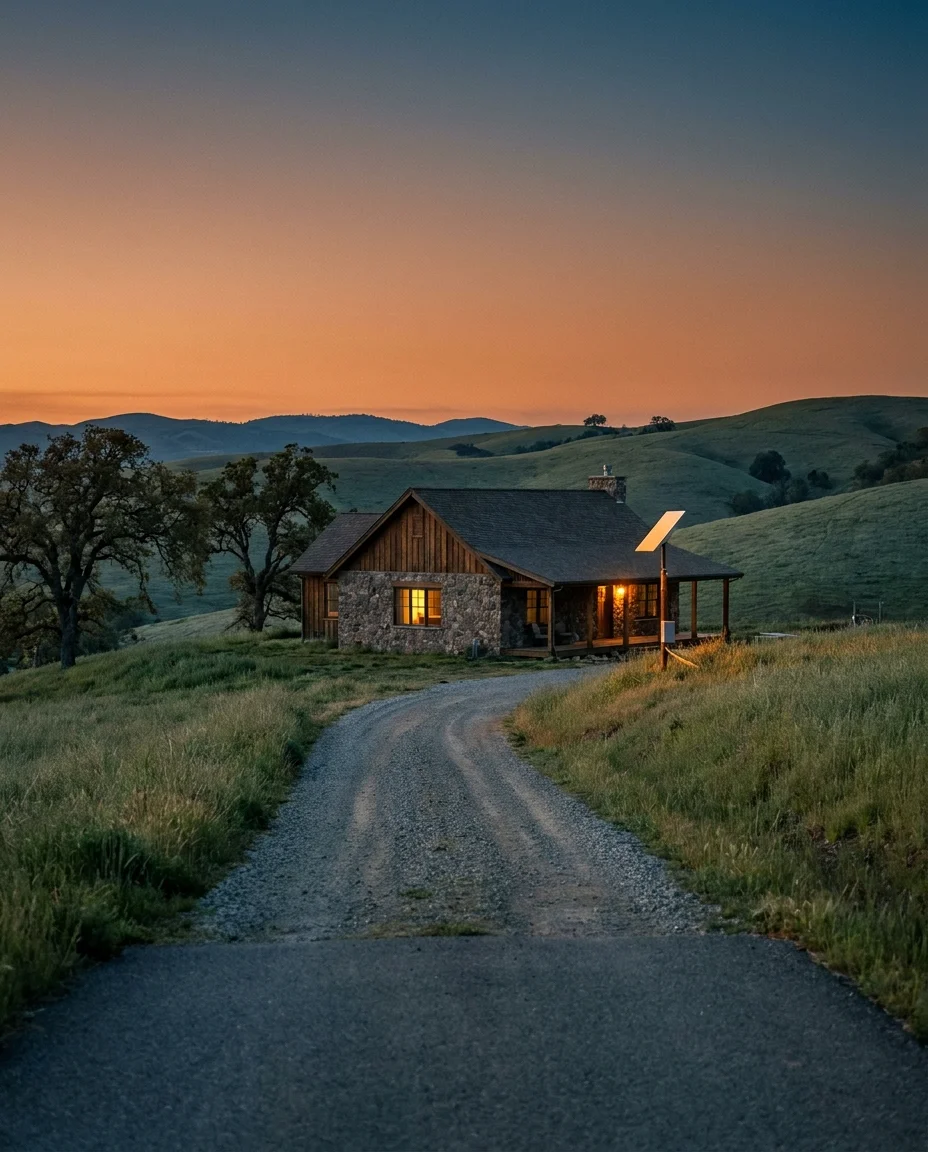
Ask most folks when garden season ends and they'll tell you it wraps up about the time the heat sets in. They're wrong, and it's a costly kind of wrong, because July down here isn't the end of anything. It's the start of a second act.
If you've got a patch of dirt out on the backroads — a raised bed, a row garden, a few buckets on the porch — there is still a whole crop's worth of eating left in this year. You just have to know what goes in the ground now and what's ready to come out. So let's walk the rows.
What's ready to harvest right now
Mid-July is when the summer garden starts paying you back for all that spring sweat. If you planted in April and May, this is your reward window, and the golden rule is simple: pick young, pick often.
Your zucchini and summer squash are coming on fast — a single plant will try to feed the whole county if you let it, so harvest them small and tender before they turn into clubs. Bush beans are hanging heavy; keep them picked and the plant keeps producing. Cucumbers are climbing and fruiting, and if you stay ahead of them you'll be putting up pickles by the end of the month. Tomatoes are ripening on the vine, and there is nothing on this earth that tastes like a tomato you picked ten minutes ago, still warm from the sun.
Then there's the crop this whole part of the state is famous for: watermelon. The vines that got planted back in spring are ripening right on schedule to be the pride of the harvest — which, if you're around Union Parish, you already know leads straight to the Louisiana Watermelon Festival in Farmerville the last weekend of the month. Growers have been babying those melons all summer for a reason.
Beets, turnips, and carrots from a spring sowing are also ready if you tuck them out of the worst heat. Pull them young and tender; you'll be thinking about that taste come winter.
What to plant right now for a fall harvest
Here's the part that surprises people. July is one of the best windows all year for setting up a second harvest, especially down here in the warmer zones. Warm soil makes seeds jump out of the ground, and a lot of crops actually do better started now for fall than they ever did in the spring rush.
Okra and July go together like cornbread and a pot of peas. It's a heat lover that hits its stride in the hottest weeks of summer, so if you don't have any in yet, get some going in full sun and pick the pods while they're young and tender.
Southern peas — cowpeas, black-eyed peas, purple hull, whatever your grandmother called them — are the definition of a Louisiana July crop. They germinate fast in warm soil, they shrug off the heat that wilts everything else, and as a bonus they put nitrogen back in the dirt for whatever you plant behind them. Every backroad garden ought to have a row.
Bush beans can go in again — sow a fresh batch every couple weeks and you'll be picking right up to the first frost. Sweet potato slips can still be set out. Summer squash and cucumbers started now give you a whole second flush before the season quits.
And then there's the fall garden you start in the heat. This is the trick the old-timers know: your collards, kale, broccoli, cabbage, and cauliflower all want to be started now — from seed, in a shady corner or a seed tray — so they've got size on them before the cool weather rolls in. A touch of frost actually sweetens up collards and kale, turns the starch to sugar. Around here, turnip greens sown late in the month will carry a kitchen a long way into the fall. Carrots and turnips sown now come up sweeter in the cooler nights ahead.
The two rules that make or break a July planting: mulch everything, and water deep. You're putting seeds into hot soil during peak evaporation, and the sun will bake bare ground into concrete before your seedlings ever get a foothold. A good layer of mulch keeps the roots cool and damp and the weeds down. Water long and slow, not quick and shallow.
What the garden has to do with your internet
Now you might be wondering what a fella who sells rural internet is doing writing you a whole planting guide. Fair question. The honest answer is that the two things are more connected than they look.
Homesteading and country gardening have quietly gone digital. The way most folks figure out their first and last frost dates now is a planting chart on their phone. The way you diagnose a sick tomato plant is snapping a photo and pulling up the answer. Half the good seed varieties — the Clemson Spineless okra, the purple hull peas, the fall brassicas — come from an online order these days, because the feed store doesn't stock everything. And when you finally grow more than you can eat, more and more country families are selling the extra at the farmers market or straight off a little online page, which means running a card reader and posting to social media right there from the tailgate.
All of that leans on a connection that works out where you actually garden — which is usually the same place the cable company forgot about. That's the whole reason Backroads WiFi got started: real internet for the folks living where the pavement ends, running off the cell signal that's already reaching your place. If your phone works out by the garden, our internet works there too. No dish, no contract, no credit check — just a connection that lets you look up planting dates, order seed, and sell your surplus without driving to town. That's it. Back to the garden.
Don't let the harvest go to waste
Here's the flip side of a July garden hitting its stride: you're about to have more than you can eat, and fast. A row of squash will bury you. The tomatoes come in all at once. The beans and cucumbers keep coming whether you're ready or not. The old-timers had a word for what you do about it — you "put it up" — and late July is when that work begins in earnest.
Freezing is the easy entry point. Beans, squash, corn, peas, and okra all freeze well with a quick blanch first, and a chest freezer full of summer's bounty is a beautiful thing come January. Canning is the next step up, and it's how you turn a glut of tomatoes into a winter's worth of sauce, or cucumbers into pickles that'll make you proud. Even simple things — drying peppers, making pepper jelly, or giving the extra away before it spoils — keep the harvest from going to waste. There's an old satisfaction in it that's hard to explain to somebody who's never done it: the pantry filling up, the freezer stacking, the sense of a summer's work saved against the cold months ahead.
And this is one more place a connection quietly earns its keep. The best canning instructions, the safe processing times, the recipe for grandma's bread-and-butter pickles you half remember — it's all a quick search away, right there in the kitchen while your hands are busy and the pot's coming to a boil. The knowledge that used to live only in a worn church cookbook is now available the moment you need it, if your connection holds out where you live.
Common questions about July planting
Is it too late to plant a garden in July? Not at all. In the South especially, July is prime time to plant okra, southern peas, bush beans, cucumbers, and summer squash, and to start fall crops like collards, kale, and cabbage from seed.
What grows best in the July heat down South? Okra and southern peas are the champions — they actually prefer the heat. Sweet potatoes, bush beans, and summer squash also do well when kept watered and mulched.
When do I plant fall greens and cabbage? Start seeds for collards, kale, broccoli, cabbage, and cauliflower now, in July, so the plants are established before cool weather arrives. Many taste sweeter after a light frost.
Why does my garden dry out so fast this time of year? Peak summer heat and long days mean rapid evaporation. Mulch heavily to hold moisture and water deeply and consistently rather than in quick, shallow sprinkles.
Keep the rows going
Don't put the seed packets away just because the calendar says July. Down here on the backroads, this is when the smart gardener plants the food they'll be thankful for in October. Get your okra and peas in, keep the squash picked, mulch like your supper depends on it — because it does — and start dreaming about those fall greens.
"And let us not be weary in well doing: for in due season we shall reap, if we faint not." — Galatians 6:9. The Lord was talking about more than gardens, but it sure fits.
Backroads WiFi is an independent service provider. AT&T®, Verizon®, and T‑Mobile® are registered trademarks of their respective owners; Backroads WiFi is not affiliated with, endorsed by, or sponsored by them. Network names are used only to describe the underlying wireless network used to provide service.
#SouthernGardening #FallGarden #JulyPlanting #Homestead #GrowYourOwn #Okra #SouthernPeas #RuralLiving #BackroadsWiFi #RuralInternet #WatermelonSeason #GardenLife #SelfSufficiency #FarmToTable